Save With Our Military Discount Today!
Understanding Why Mature Trees Require Specialized Pruning
Mature trees represent decades of growth and investment in your landscape. A tree that has stood for twenty, thirty, or fifty years has developed complex vascular systems, established structural frameworks, and integrated deeply into the surrounding ecosystem. Unlike younger saplings that respond quickly to pruning interventions, mature specimens possess slower metabolic rates and reduced capacity to compartmentalize wounds. This fundamental difference means that every cut you make carries greater consequences.
The biology of an older tree works differently than a young one. Mature trees allocate energy reserves toward maintaining existing structure rather than generating vigorous new growth. When you remove a substantial branch from a mature tree, you force the organism to redirect stored resources toward wound closure and defense mechanisms against pathogens. In Southern California’s climate, where drought stress has become increasingly common over recent years, mature trees already operate with limited moisture reserves. An improperly timed or executed pruning cut can push a drought-stressed tree past its recovery threshold, triggering decline that manifests as branch dieback, leaf drop, or increased vulnerability to bark beetles and boring insects.
Structural failure represents another serious risk when pruning mature trees incorrectly. Unlike young trees with flexible wood, mature specimens have developed hardened branch unions and specific load-bearing architectures. Removing the wrong branch can redistribute weight in ways that create mechanical instability. A heavy lateral limb that appears problematic might actually serve as a critical counterbalance to growth on the opposite side of the canopy. Remove it carelessly, and you may set up conditions for catastrophic failure during the next Santa Ana wind event or winter storm. The consequences extend beyond property damage to genuine safety hazards for anyone near the tree.
Selecting the Right Tools and Mastering Proper Technique
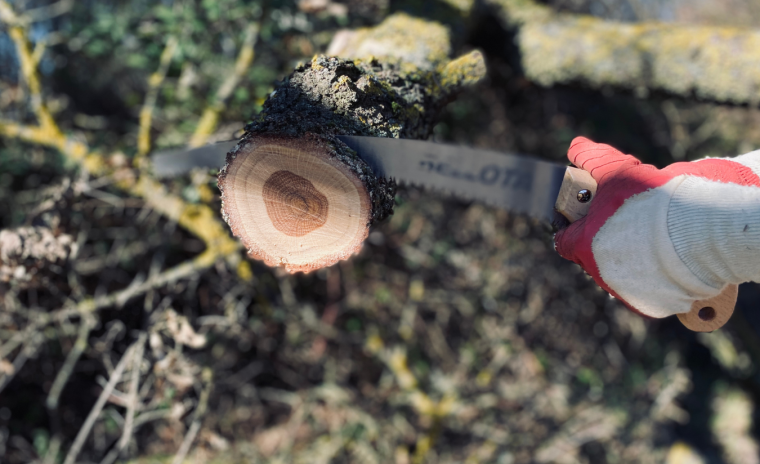
The equipment you select for pruning mature trees directly influences the quality of your results and the tree’s subsequent recovery. Hand pruners work effectively for branches up to three-quarters of an inch in diameter, while loppers handle cuts up to one and three-quarter inches. For anything larger, you need a pruning saw with sharp teeth designed specifically for living wood. Dull blades crush tissue rather than cutting cleanly, creating ragged wounds that invite decay organisms. A quality curved pruning saw with teeth that cut on the pull stroke gives you better control and cleaner results than straight saws designed for dimensional lumber.
The mechanics of proper cutting technique matter enormously. Every branch connects to its parent stem or trunk through a specialized collar of tissue that contains the tree’s natural defense chemistry. This branch collar appears as a slight swelling or ridge where the branch meets the larger wood. Your cuts should preserve this collar entirely while removing the branch just beyond it. Cutting flush with the trunk removes the tree’s defense zone and creates a larger wound that heals more slowly. Conversely, leaving a stub beyond the collar prevents proper wound closure and creates dead wood that decays back toward the trunk.
The three-cut method prevents bark tearing on branches larger than one and one-half inches in diameter. Make your first cut on the underside of the branch, about twelve to eighteen inches from the trunk, cutting upward about one-quarter of the way through. The second cut comes from the top, two to three inches farther out from the first cut, allowing the branch weight to break cleanly without tearing bark back toward the trunk. The final cut removes the remaining stub just beyond the branch collar. This methodical approach takes more time but prevents damage that would compromise the tree’s ability to seal the wound.
In coastal areas like Oxnard and Ventura, the marine layer brings salt-laden air that can stress trees through the growing season. Pruning wounds on trees near the coast need particularly clean cuts because the combination of salt exposure and open tissue can slow the compartmentalization process. Trees already managing environmental stress from salt spray allocate fewer resources to wound defense, making technique precision even more critical for successful recovery.
Following a Systematic Pruning Process From Assessment to Aftercare
Effective pruning begins well before you make the first cut. Walk completely around the tree at different distances, examining the canopy from multiple angles. Look for dead wood, which appears brittle with no buds or leaf growth. Identify crossing branches that rub against each other, creating wounds where bark has worn away. Note any branches growing inward toward the center of the canopy rather than outward, as these disrupt air circulation and create dense pockets where fungal diseases establish. Check for narrow V-shaped branch unions where bark has grown into the crotch rather than overlapping properly; these weak attachments are prone to splitting under load.
Prioritize your cuts based on tree health and structural integrity. Remove dead, diseased, or damaged wood first, cutting back to healthy tissue where the cambium shows green rather than brown. Next, address safety hazards such as branches hanging over structures, walkways, or power lines. A homeowner scenario we frequently encounter involves a mature tree with heavy limbs extending over a patio or deck. These branches create legitimate concerns, but removing them requires careful assessment of the tree’s overall balance. Taking too much weight from one side can create lean or instability.
When selecting which branches to remove, follow the principle of eliminating no more than twenty-five percent of the living canopy in a single season. Mature trees cannot regenerate foliage as quickly as younger specimens. Over-pruning stresses the root system, which has developed to support a specific canopy size. If you remove excessive leaf area, the established root system continues drawing water and nutrients for a crown that no longer exists, potentially causing root decline. This situation becomes particularly problematic during Southern California’s extended dry periods when trees depend on every available leaf for photosynthesis and moisture regulation.
The cutting sequence matters strategically. Start with the highest branches you plan to remove, working your way downward through the canopy. This approach prevents cut branches from damaging lower limbs as they fall. Stand to the side of the branch you are cutting, never directly beneath it, and ensure your ladder or work platform provides stable footing. For branches beyond comfortable reach from the ground, recognize the significant risks involved in climbing or using tall ladders around mature trees.
After completing your pruning, avoid the temptation to apply wound dressing or pruning paint to the cuts. Decades of research have demonstrated that these products do not enhance healing and may actually trap moisture against the wound, promoting decay. The tree’s natural compartmentalization process works more effectively when cuts are left exposed to air. Focus instead on proper watering to support the tree’s recovery. A deep soaking that moistens soil to a depth of twelve to eighteen inches helps the tree mobilize defense compounds and begin the wound-sealing process.
Timing Your Pruning for Optimal Tree Response and Recovery
The calendar governs pruning success as much as technique does. For most deciduous species, late winter through early spring offers the ideal pruning window. During dormancy, trees have withdrawn energy into their root systems and sealed off their vascular connections to leaves. Pruning cuts made during this period trigger minimal sap flow and allow the tree to mobilize stored resources toward wound closure as soon as active growth resumes. In Southern California’s mild climate, true dormancy may be less pronounced than in colder regions, but most trees still enter a period of reduced metabolic activity between December and February.
Evergreen species follow different timing guidelines. Many conifers and broadleaf evergreens tolerate pruning during their active growing season, typically late spring or early summer, when they can quickly generate new growth to replace removed foliage. However, avoid pruning evergreens during extreme heat, as open wounds combined with high temperatures and low humidity stress the tree’s water transport systems. Coastal live oaks, common throughout Oxnard and Ventura County, should be pruned during their dormant period in late fall or winter to minimize the risk of oak wilt and other diseases transmitted by beetles attracted to fresh cuts during warmer months.
Maintenance pruning frequency for mature trees typically falls into a three to five year cycle. Unlike young trees that benefit from annual training cuts, established specimens need intervention only when specific issues develop. Annual pruning of mature trees often removes too much living tissue and can actually weaken the tree’s structure over time. Instead, schedule pruning when you observe crossing branches, dead wood accumulation, or canopy density that restricts light penetration and air movement.
Certain signs indicate your tree needs attention outside the normal cycle. A sudden increase in dead branch tips throughout the canopy suggests stress from drought, disease, or root damage. Branches with sparse foliage or undersized leaves compared to the rest of the tree may indicate vascular blockage or structural problems at the branch union. Dense interior growth with multiple small-diameter branches competing for the same space creates conditions favorable for fungal diseases and insect colonization. In regions prone to wildfire, maintaining adequate spacing between branches and clearing dead wood becomes a critical safety consideration, particularly during Southern California’s extended dry season when fire danger peaks in late summer and fall.
Weather conditions on the day you prune also influence outcomes. Avoid pruning when rain is forecast within twenty-four hours, as moisture on fresh cuts can introduce fungal spores and bacterial pathogens. Conversely, pruning during extended dry periods when trees are already moisture-stressed adds another layer of strain to their systems. The ideal conditions combine dry weather, moderate temperatures, and a forecast suggesting the tree will have several days to begin the compartmentalization process before facing environmental extremes.
Recognizing When Professional Tree Care Services Become Essential
The decision to prune a mature tree yourself or hire a professional tree service hinges on honest assessment of the scope and risks involved. Any work requiring a ladder taller than eight feet, cutting branches larger than four inches in diameter, or working near power lines crosses into territory where professional equipment and training become necessary for safety. The statistics on ladder-related injuries during tree work are sobering, and homeowner’s insurance policies often contain specific exclusions for injuries sustained during tree trimming activities.
Large mature trees present physics challenges that go beyond cutting technique. A branch that appears manageable from the ground may weigh several hundred pounds. Controlling the descent of heavy wood requires rigging knowledge, proper rope systems, and understanding of load dynamics. A branch that falls incorrectly can damage property, injure bystanders, or strike the person making the cut. Professional tree care services utilize specialized equipment including aerial lifts, rigging pulleys, and lowering devices that allow controlled removal of large limbs in confined spaces.
Structural pruning for mature trees requires diagnostic skills developed through years of experience. Identifying hidden decay in branch unions, recognizing early symptoms of vascular diseases, and understanding species-specific growth patterns all inform pruning decisions that preserve tree health while addressing safety concerns. A certified arborist can assess whether a leaning tree needs corrective pruning, cabling and bracing to support weak unions, or complete removal if the structural integrity has been compromised beyond remediation. These assessments often involve considerations that are not visible to untrained observers, such as root plate stability, internal decay patterns, and load distribution across the canopy.
Disease management adds another layer of complexity to mature tree pruning. If you notice unusual discoloration, cankers, fungal growth, or unexplained dieback, pruning cuts need to be made with specific sanitation protocols to prevent spreading pathogens to healthy tissue. Professional tree services follow established procedures for sterilizing cutting tools between cuts when working with diseased trees, and they understand which diseases require complete branch removal versus selective pruning. Some conditions, such as sudden oak death or certain fungal infections, may require reporting to agricultural authorities and adherence to specific disposal guidelines for infected wood.
The value of professional assessment extends beyond the immediate pruning task. A thorough evaluation examines the entire tree’s health, identifies potential problems before they become emergencies, and provides a long-term care plan tailored to your specific trees and landscape goals. This proactive approach often prevents costly emergency situations such as storm-damaged branches, pest infestations that spread to neighboring trees, or structural failures that damage property.
For residential tree service needs throughout Oxnard, Ventura, and surrounding communities, working with qualified professionals ensures your mature trees receive appropriate care that preserves their health and value. Whether you need routine tree pruning and trimming to maintain canopy shape, structural support through cabling and bracing systems, or assessment to determine the best course of action for a declining tree, professional tree care services provide the expertise and equipment necessary for successful outcomes. If your property includes mature trees that have not been evaluated recently, or if you have noticed changes in tree health or structure that concern you, a professional assessment provides clarity and actionable recommendations. You can learn more about available services and schedule a consultation to discuss your specific tree care needs.